The Bulgarian Split Squat (BSS) is a powerhouse exercise for building lower body strength, stability, and mobility. This unilateral movement targets the quads, glutes, hamstrings, and core while improving balance and coordination. Whether you’re a beginner or a seasoned lifter, mastering proper form, preventing injury, and integrating the BSS into your workout routine can elevate your fitness game. Let’s break it down.
Proper Form for the Bulgarian Split Squat
Executing the Bulgarian Split Squat with correct form is crucial for maximizing benefits and minimizing injury risk. Follow these steps:
- Setup:
- Stand about 2–3 feet in front of a bench or elevated surface (knee height or slightly lower).
- Place the top of one foot (laces down) on the bench behind you. Your front leg should be far enough forward to allow a 90-degree bend at the knee during the squat.
- Hold dumbbells, a barbell, or use body weight, depending on your strength level.
- Stance and Alignment:
- Keep your torso upright or slightly leaned forward (about 10–15 degrees) to engage the glutes and hamstrings.
- Position your front foot flat on the ground, with your knee tracking over your toes.
- Engage your core to maintain balance and spinal alignment.
- Movement:
- Lower your body by bending your front knee, keeping it in line with your toes.
- Descend until your front thigh is parallel to the ground or your back knee is just above the floor.
- Push through your front heel to return to the starting position, keeping tension in your glutes and quads.
- Key Cues:
- Avoid letting your front knee collapse inward—keep it aligned with your foot.
- Don’t let your back knee slam into the ground; control the descent.
- Maintain a neutral spine; avoid excessive forward lean or rounding of the back.
- Breathing:
- Inhale as you lower into the squat.
- Exhale as you push back up to the starting position.
Preventing Injury During Bulgarian Split Squats
Injuries can occur if form or programming is neglected. Here’s how to stay safe:
- Warm-Up Properly:
- Perform dynamic stretches (e.g., leg swings, bodyweight lunges) to prepare your hips, knees, and ankles.
- Activate your glutes with exercises like glute bridges or clamshells to ensure they fire during the movement.
- Start with Body Weight:
- Master the BSS with just your body weight before adding dumbbells, barbells, or other resistance.
- This builds strength and stability while allowing you to focus on form.
- Avoid Overloading Too Soon:
- Adding too much weight before perfecting form can strain your knees or lower back.
- Gradually increase resistance as your strength and balance improve.
- Check Your Setup:
- Ensure the bench height is appropriate (too high can strain your hip flexors; too low may reduce range of motion).
- Adjust your front foot distance to avoid excessive knee or hip discomfort.
- Listen to Your Body:
- If you feel pain (beyond typical muscle fatigue) in your knees, hips, or lower back, stop and reassess your form.
- Common issues include an overly narrow stance, forward knee drift, or excessive torso lean.
- Strengthen Supporting Muscles:
- Weak glutes, hamstrings, or core muscles can lead to compensatory movements. Incorporate exercises like deadlifts, hip thrusts, and planks to build a strong foundation.
- Use Proper Footwear:
- Wear flat-soled shoes or go barefoot to maintain stability and proper foot pressure distribution.
- Avoid cushioned running shoes, which can compromise balance.
Integrating Bulgarian Split Squats into Your Workout
The Bulgarian Split Squat is versatile and can fit into various workout routines, whether you’re training for strength, hypertrophy, or endurance. Here’s how to incorporate it effectively:
- As a Primary Lower Body Exercise:
- Use the BSS as the main movement on leg day, especially if you’re focusing on unilateral strength.
- Example: 3–4 sets of 8–12 reps per leg at 70–80% of your one-rep max (1RM).
- Pair with compound lifts like squats or deadlifts for a balanced session.
- As an Accessory Movement:
- Include BSS after heavy compound lifts to target stabilizing muscles and address imbalances.
- Example: 3 sets of 10–15 reps with moderate weight or body weight, focusing on control and depth.
- For Hypertrophy:
- Use moderate weights and higher reps (10–15 per leg) with a slow eccentric (lowering) phase to maximize muscle growth.
- Rest 60–90 seconds between sets to maintain intensity.
- For Endurance or Mobility:
- Perform high-rep sets (15–20 per leg) with body weight or light resistance to improve muscular endurance and joint stability.
- Incorporate into circuit training for a full-body workout.
- Sample Workout Plan:
- Day 1 (Lower Body Strength):
- Barbell Back Squat: 4 sets of 6 reps
- Bulgarian Split Squat: 3 sets of 10 reps per leg
- Romanian Deadlift: 3 sets of 8 reps
- Calf Raises: 3 sets of 15 reps
- Day 2 (Full Body Circuit):
- Bulgarian Split Squat: 3 sets of 12 reps per leg
- Push-Ups: 3 sets of 15 reps
- Bent-Over Rows: 3 sets of 12 reps
- Plank: 3 sets of 30 seconds
- Day 1 (Lower Body Strength):
- Frequency:
- Include BSS 1–2 times per week, depending on your training split.
- Allow at least 48 hours of recovery between sessions targeting the same muscle groups.
- Progression Tips:
- Gradually increase weight, reps, or time under tension as you get stronger.
- Vary foot placement (e.g., closer for quad focus, further for glute focus) to target different muscles.
- Incorporate pauses at the bottom of the squat or pulses to increase intensity.
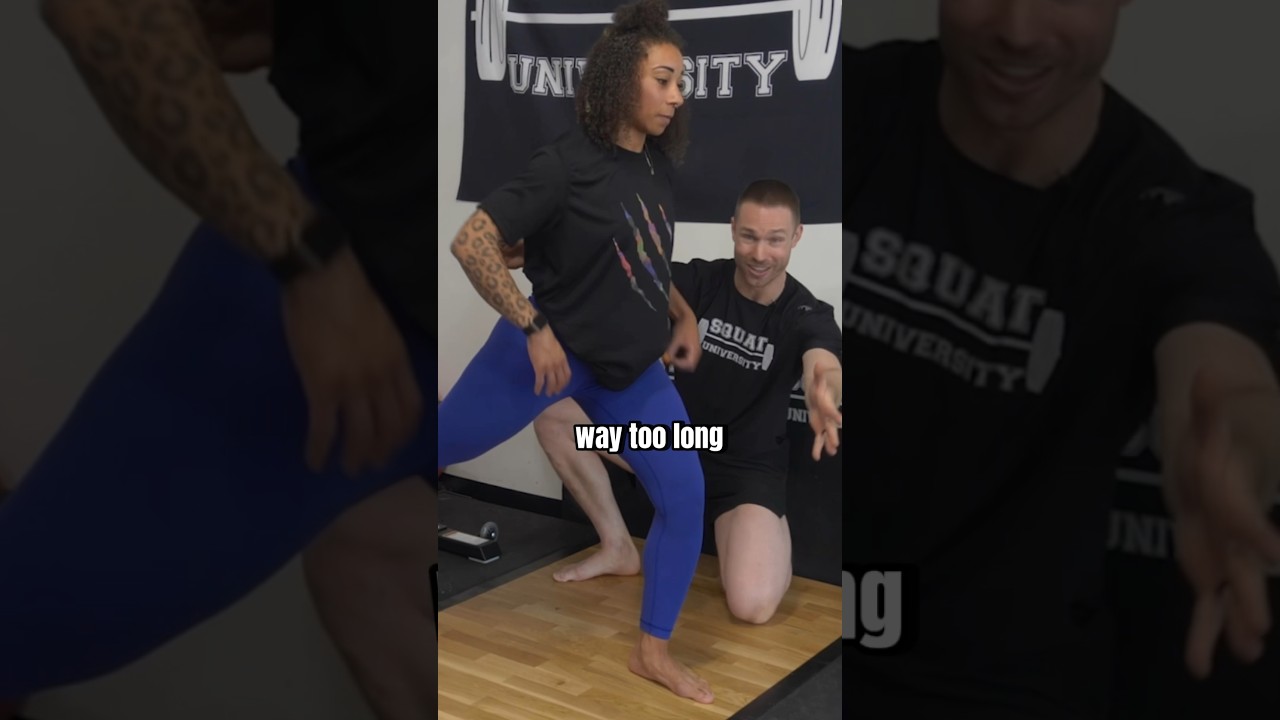
These videos is great at explaining proper form. I hope it helps you as much as it did me!

Final Thoughts
The Bulgarian Split Squat is a highly effective exercise for building strength, improving balance, and addressing muscle imbalances. By focusing on proper form, warming up adequately, and progressing gradually, you can minimize injury risk and maximize results. Integrate the BSS into your routine based on your goals—whether it’s strength, hypertrophy, or endurance—and watch your lower body power and stability soar. Stay consistent, listen to your body, and enjoy the gains!
