
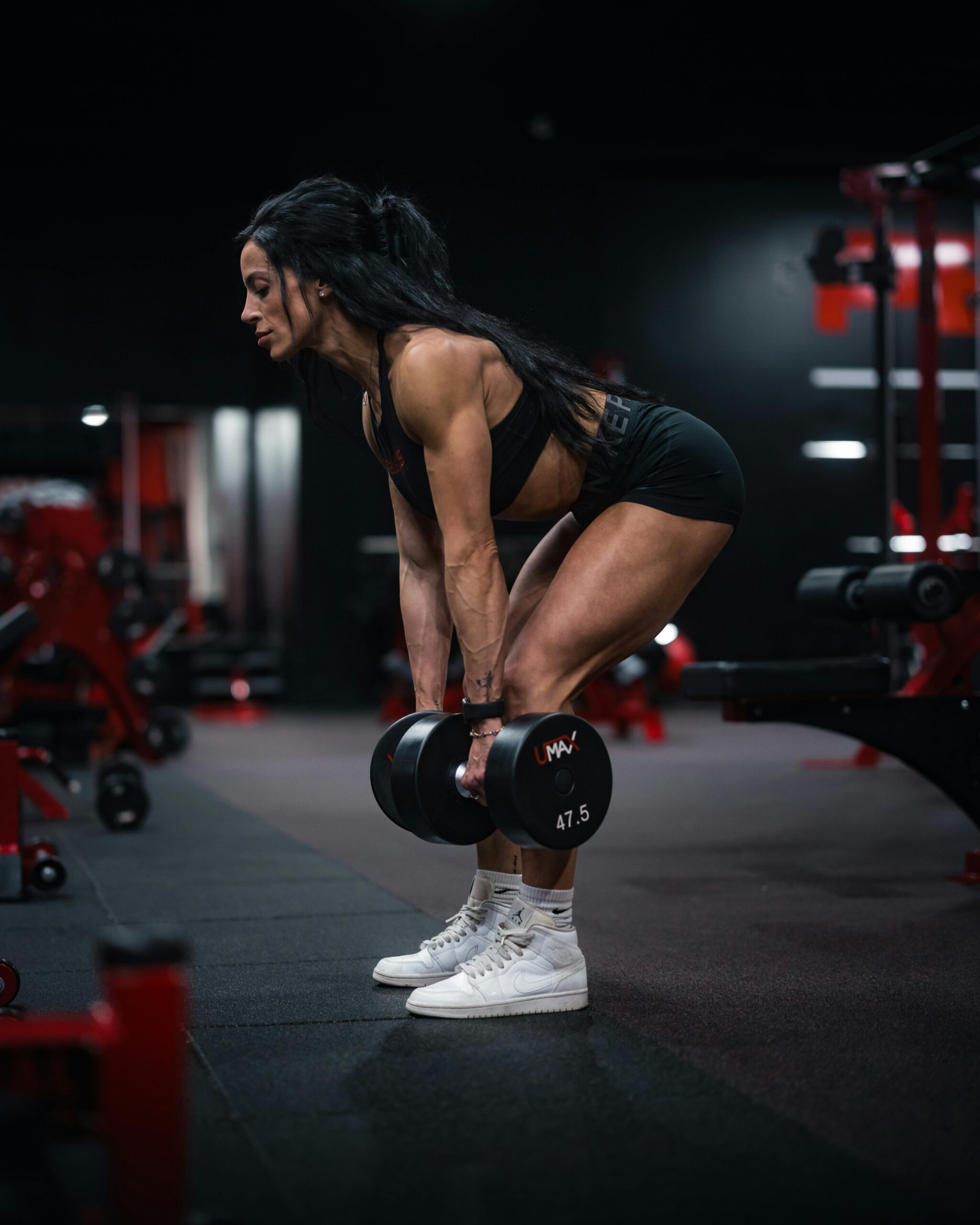
The Romanian Deadlift (RDL) is a powerhouse exercise for building strength in your posterior chain—think hamstrings, glutes, and lower back. It’s a favorite among lifters for its ability to enhance strength, improve posture, and boost athletic performance. But like any lift, it demands respect and proper technique to maximize benefits and minimize risks. In this post, we’ll break down the essentials of RDLs: how to nail the form, avoid injury, and seamlessly integrate them into your workout routine.
Proper Form: The Foundation of a Great RDL
Good form is non-negotiable with Romanian Deadlifts. Unlike a conventional deadlift, which involves more knee bend and quad engagement, RDLs focus on hinging at the hips to target the hamstrings and glutes. Here’s a step-by-step guide to performing RDLs correctly:
- Setup: Stand with your feet hip-width apart, holding a barbell (or dumbbells) with an overhand grip. Your knees should have a slight bend, and your shoulders should be back, chest up, and core braced.
- Hip Hinge: Push your hips back as if you’re trying to close a door behind you with your glutes. Keep the barbell close to your legs—almost grazing your shins—as you lower it. Your back should stay straight, with a neutral spine (no rounding!).
- Lowering Phase: Lower the bar to about mid-shin level or just below your knees, depending on your flexibility. You should feel a stretch in your hamstrings, but don’t force the range of motion. The movement is driven by your hips, not your arms or back.
- Return to Start: Engage your glutes and hamstrings to pull your hips forward, returning to the standing position. Keep the bar close to your body and avoid leaning back at the top.
- Breathing: Inhale as you lower the bar, exhale as you lift. A consistent breathing pattern helps maintain core stability.
Key Form Tips:
- Keep your neck in line with your spine—don’t look up or down excessively.
- Avoid locking out your knees; a soft bend keeps tension on the hamstrings.
- Move slowly and deliberately to maintain control and feel the muscles working.
Preventing Injury: Safety First
Romanian Deadlifts are safe when done correctly, but poor form or overzealous loading can lead to strains or worse. Here’s how to stay safe:
- Start Light: Ego has no place in RDLs. Begin with a weight you can control easily to master the hip hinge. Even experienced lifters benefit from lighter warm-up sets to reinforce form.
- Protect Your Back: Rounding your lower back is a recipe for injury. Engage your core and keep your spine neutral throughout the movement. If you feel your back rounding, reduce the weight or shorten the range of motion.
- Warm Up Properly: Dynamic stretches like leg swings or bodyweight hip hinges prep your hamstrings and hips. A warm posterior chain is less prone to strains.
- Don’t Overreach: Lowering the bar too far can stress your hamstrings or lower back, especially if your flexibility is limited. Only go as low as you can while maintaining a flat back.
- Use Proper Equipment: If you’re lifting heavy, consider a belt to support your core. Good footwear—flat-soled shoes or barefoot—helps with stability. Avoid squishy running shoes, which can throw off your balance.
- Listen to Your Body: Soreness in the hamstrings and glutes is normal, but sharp pain or discomfort in your lower back is a red flag. Stop, reassess your form, and lighten the load if needed.
Integrating RDLs into Your Workout Routine
Romanian Deadlifts are versatile and can fit into various training programs, whether you’re focused on strength, hypertrophy, or athletic performance. Here are some tips to make them a staple in your routine:
- Program Placement: RDLs are best performed early in your workout, after your warm-up but before smaller isolation exercises. They’re a compound lift, so you’ll want fresh legs to maximize effort. Pair them with a push movement like a bench press for a balanced session.
- Frequency: For most lifters, 1–2 times per week is ideal. This allows enough stimulus for growth without overloading your posterior chain. If you’re doing conventional deadlifts or other hip-dominant exercises, once a week may suffice.
- Sets and Reps:
- Strength: 3–5 sets of 3–6 reps at 70–85% of your one-rep max.
- Hypertrophy: 3–4 sets of 8–12 reps with moderate weight, focusing on time under tension.
- Endurance: 2–3 sets of 12–15 reps with lighter weight for higher volume.
- Variations: Mix things up to keep your routine fresh. Try single-leg RDLs for balance and unilateral strength, or use dumbbells for a different grip and range of motion. Stiff-leg deadlifts (less knee bend) can also target the hamstrings more intensely.
- Complementary Exercises: Pair RDLs with movements that round out your lower body training, like squats, lunges, or glute bridges. Core exercises such as planks or hanging leg raises can enhance stability for better RDL performance.
- Recovery: RDLs tax your hamstrings and lower back, so prioritize recovery. Foam rolling, stretching, and adequate protein intake help repair muscle tissue. Allow at least 48 hours between posterior chain-focused workouts.
Final Thoughts
Romanian Deadlifts are a fantastic addition to any workout routine, offering strength, stability, and aesthetic benefits for your posterior chain. By prioritizing proper form, staying mindful of injury prevention, and strategically integrating RDLs into your program, you’ll unlock their full potential. Start light, move with intention, and watch your strength soar. Happy lifting!
