When it comes to strength training, proper form is your best friend. It’s the foundation for building muscle, boosting performance, and—most importantly—staying safe. Whether you’re a beginner or a seasoned lifter, nailing your technique can make all the difference. Today, we’re zeroing in on the dumbbell shoulder press, a fantastic exercise for building strong, defined shoulders. Let’s break down why form matters, how to execute this move correctly, and how to avoid injuries that could sideline your progress.
Why Proper Form Matters
Lifting weights with poor form is like driving a car with a misaligned wheel—it might get you somewhere, but you’re risking a crash. Proper form ensures you’re targeting the right muscles (in this case, your deltoids, traps, and triceps) while minimizing stress on your joints and ligaments. For the dumbbell shoulder press, good form maximizes shoulder strength and stability while reducing the chance of strains, impingements, or long-term wear and tear.
Poor form, on the other hand, can lead to issues like shoulder impingement, lower back strain, or even wrist injuries. For example, arching your back excessively or flaring your elbows too wide can shift the load to unintended areas, increasing your risk of tweaks and pulls. By focusing on technique, you’re not just lifting safer—you’re lifting smarter.
Mastering the Dumbbell Shoulder Press: Step-by-Step
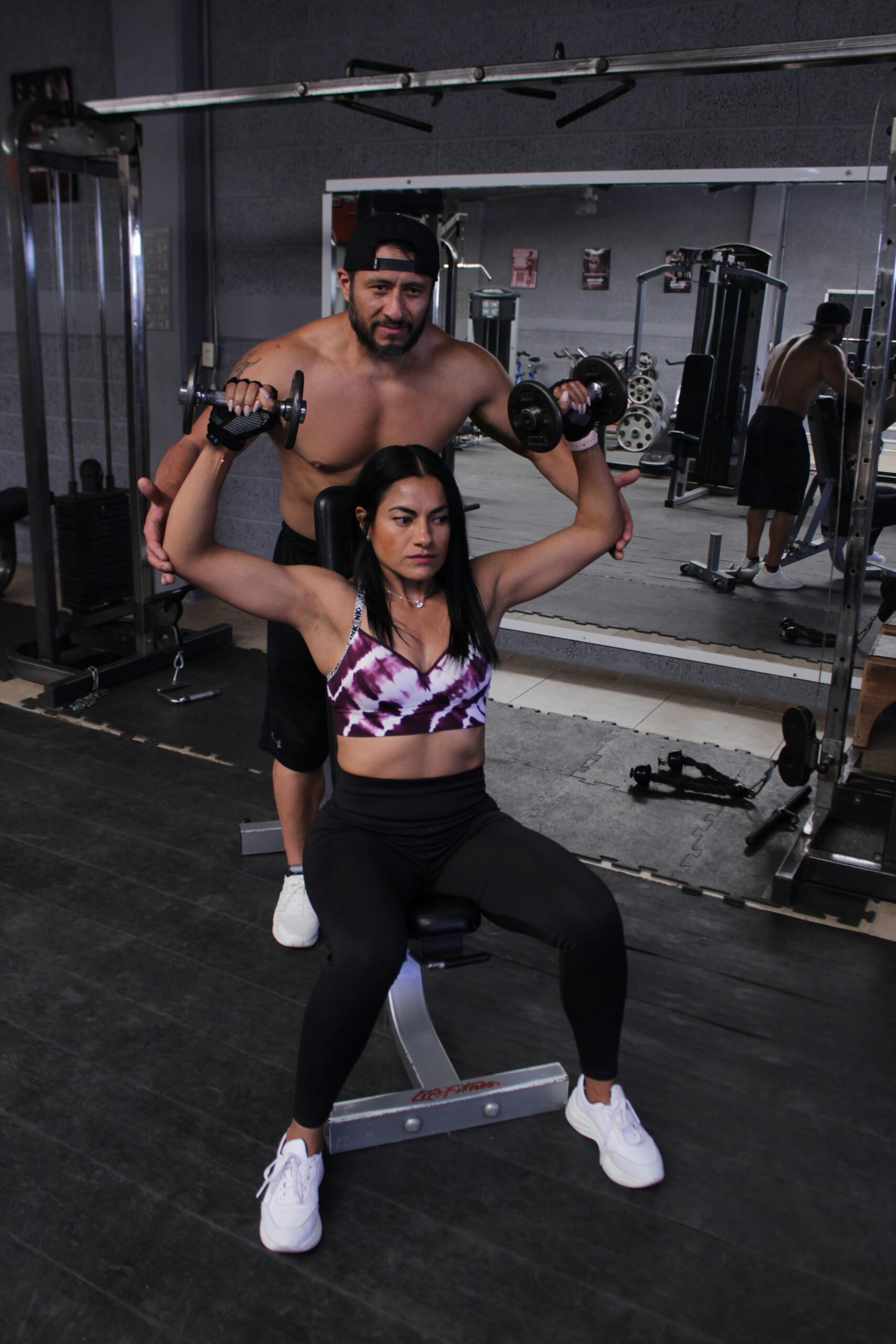
The dumbbell shoulder press is a powerhouse move for your upper body, but only if you do it right. Here’s how to nail the technique, whether you’re seated or standing:
- Setup
- Seated: Sit on a bench with back support, feet flat on the floor, and core engaged. Hold a dumbbell in each hand at shoulder height, palms facing forward.
- Standing: Stand with feet shoulder-width apart, knees slightly bent, and core braced. Hold the dumbbells at shoulder level, palms forward.
- Grip: Hold the dumbbells with a firm but not death-grip hold to avoid wrist strain. Your wrists should be neutral, not bent backward.
- Positioning
- Keep your elbows slightly forward (about a 45-degree angle from your torso) rather than flared out to the sides. This protects your shoulder joints.
- Engage your core to stabilize your spine. Avoid leaning back or arching your lower back excessively.
- Keep your head neutral, looking straight ahead, not up or down.
- The Press
- Push the dumbbells upward in a controlled motion until your arms are fully extended but not locked out. The weights should move in a slight arc, ending above your head, not directly in front of your face.
- Keep your shoulders down, away from your ears, to avoid tensing your traps unnecessarily.
- Exhale as you press up, maintaining steady breathing.
- The Descent
- Lower the dumbbells slowly back to shoulder height, keeping your elbows in that 45-degree angle. Don’t let the weights drop quickly—this maintains tension on the muscles and protects your joints.
- Inhale as you lower the weights, keeping your core tight.
- Repetition
- Aim for smooth, controlled reps. A good starting point is 8-12 reps for 3 sets, adjusting weight based on your strength and goals.
- If you feel wobbly or lose form, reduce the weight or take a break. Quality trumps quantity.
Common Mistakes and How to Avoid Them
Even with the best intentions, it’s easy to slip into bad habits. Here are some common dumbbell shoulder press mistakes and how to fix them:
- Arching the Lower Back
Problem: Leaning back too much puts strain on your spine and takes the focus off your shoulders.
Fix: Engage your core and keep your back straight (or supported by a bench). If standing, imagine tucking your pelvis slightly to maintain a neutral spine. - Flaring Elbows Out Wide
Problem: Elbows pointing straight out to the sides can stress your shoulder joints and increase the risk of impingement.
Fix: Keep elbows at a 45-degree angle from your torso. Think of forming a “W” shape with your arms at the bottom of the press. - Locking Out Elbows
Problem: Fully locking your elbows at the top shifts the load to your joints instead of your muscles.
Fix: Stop just short of locking out, keeping a slight bend in your elbows to maintain muscle tension. - Using Too Much Weight
Problem: Ego-lifting with heavy dumbbells can compromise form and lead to injury.
Fix: Choose a weight that allows you to complete your reps with control. If your form starts to break down, drop the weight. - Rushing the Reps
Problem: Moving too fast reduces muscle engagement and increases the risk of jerking motions that strain joints.
Fix: Slow down, especially on the descent. Aim for a 2-3 second lower and a 1-2 second press.
Injury Prevention Tips
To keep your shoulders happy and healthy during dumbbell presses, follow these tips:
- Warm Up Properly: Before lifting, do 5-10 minutes of dynamic stretches or light cardio to get blood flowing to your shoulders. Try arm circles or light dumbbell raises to prep the muscles.
- Strengthen Supporting Muscles: Strong rotator cuff muscles and a stable core are key to shoulder health. Incorporate exercises like external rotations or planks into your routine.
- Use a Spotter or Safety Measures: If lifting heavy, have a spotter or use a power rack to catch the weights if you fatigue.
- Listen to Your Body: If you feel pain (not to be confused with muscle burn), stop immediately. Sharp or persistent discomfort could signal an issue like impingement or strain.
- Progress Gradually: Increase weight incrementally (5-10% at a time) to avoid overloading your joints.
Why the Dumbbell Shoulder Press Shines
The dumbbell shoulder press is a stellar exercise because it works each arm independently, helping to correct imbalances and engage stabilizing muscles more than a barbell press. Plus, it mimics real-world pushing motions, making it functional for everyday strength. By prioritizing form, you’ll not only build stronger, more defined shoulders but also protect yourself from setbacks.
Final Thoughts
Mastering the dumbbell shoulder press is about more than just hoisting weights—it’s about moving with intention and respect for your body. Proper form maximizes your gains, keeps injuries at bay, and sets you up for long-term success in the gym. Start light, focus on technique, and gradually build up. Your shoulders will thank you, and you’ll be pressing with confidence in no time!
Got questions about the dumbbell shoulder press or other lifts? Drop them in the comments or reach out to a trainer for personalized tips. Keep lifting smart, and stay safe!
