When it comes to building strength, maintaining lean muscle, or preventing injury, many people focus solely on the workouts themselves. But understanding the how and why behind your muscles’ operation and structure can make a huge difference in results—and safety.
How Muscles Work: The Basics
Muscles are made of bundles of fibers, each containing tiny contractile units called sarcomeres. These sarcomeres generate force through the sliding of proteins actin and myosin, which causes the muscle to shorten and produce movement.
Muscles do more than move your bones—they also stabilize joints, protect tissues, and assist in posture. Knowing this helps you target exercises more effectively and prevents overloading weak areas.
Key muscle types:
- Skeletal muscle: Voluntary muscles responsible for movement and strength. Most of your training focuses here.
- Cardiac muscle: Found in the heart; not directly trainable for hypertrophy, but improved fitness benefits it.
- Smooth muscle: Found in organs; generally unaffected by traditional strength training.
Why Understanding Muscle Structure Matters for Building Mass
- Targeting the Right Muscles
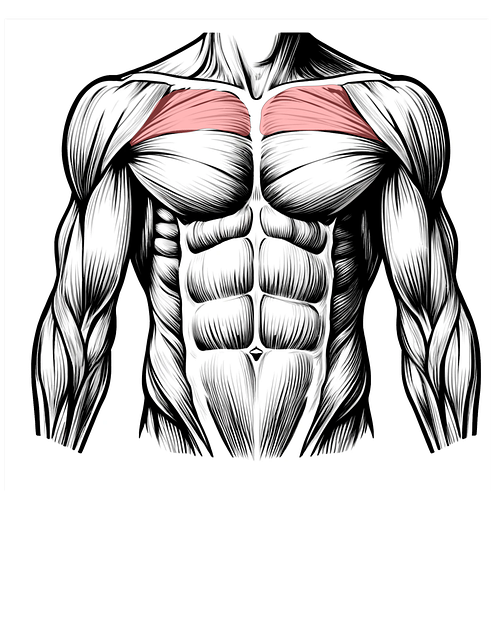
Understanding which muscles perform which actions allows you to structure workouts effectively. For example, knowing that the pectoralis major is responsible for horizontal pressing motions means that bench presses and push-ups are prime choices for chest development. - Optimizing Muscle Activation
Learning about agonist, antagonist, and synergist muscles helps you maximize engagement. For instance, during a bicep curl:- Biceps brachii = agonist (primary mover)
- Triceps = antagonist (lengthens during contraction)
- Brachialis = synergist (assists movement)
- Progressive Overload with Safety
Knowing muscle fiber types—fast-twitch (for explosive strength) versus slow-twitch (for endurance)—helps you choose rep ranges and weights that stimulate growth without overtraining or risking injury.
How Muscle Knowledge Prevents Injury
- Balanced Development
Imbalanced muscles can lead to poor posture and joint stress. For example, overdeveloped chest muscles with weak upper back muscles may cause shoulder injuries. Understanding which muscles oppose each other helps you balance workouts. - Proper Movement Mechanics
Recognizing which muscles stabilize joints ensures correct form. Weak stabilizers during heavy lifts (like the rotator cuff during presses) often lead to tendon or ligament injuries. - Recovery Awareness
Muscles need time to repair after stress. Knowing that microtears occur during strength training emphasizes the importance of rest, stretching, and nutrition to prevent overuse injuries.
Maintaining Muscle Mass Long-Term
Understanding muscle physiology also guides strategies for long-term health:
- Aging: Muscle mass naturally declines over time (sarcopenia). Knowledge of muscle activation helps maintain strength safely.
- Adaptation: Muscles respond to specific stimuli. Without understanding their operation, routines may plateau. Targeted training prevents stagnation and loss of mass.
- Lifestyle Integration: Combining resistance training, mobility work, and proper recovery aligns with how muscles function, supporting longevity.
Practical Takeaways
- Learn the primary movers, stabilizers, and joint mechanics for every exercise.
- Incorporate both compound and isolation movements to hit muscles efficiently.
- Pay attention to muscle balance to prevent chronic injury.
- Adjust rep ranges based on muscle fiber type for optimal hypertrophy.
- Prioritize rest and recovery—muscles don’t grow in the gym; they grow while healing.
Understanding your muscles is like learning the engine of a car before driving it hard. The more you know, the better you can push performance, maintain muscle mass, and avoid breakdowns—keeping your body strong and injury-free for years to come.
