I’ll never forget the day I learned the hard way that speed has no place in Romanian Deadlifts (RDLs). I was at the gym, focused on pushing myself harder, and in my rush to finish a heavy set, I let the bar travel down too quickly. In an instant, I felt a sharp pull deep in my lower abdomen. Thankfully, it turned out to be only a minor strain, but it was a sharp wake-up call of what could have gone wrong.
That moment reminded me that RDLs are a lift you can’t take lightly. They are one of the best exercises for building strength in the hamstrings, glutes, and lower back, but they demand control and precision. Done correctly, they build power, stability, and resilience. Done incorrectly—especially too quickly—they can easily lead to painful injuries.
Let’s break down what RDLs are, how to perform them properly, the most common injuries they cause, and how to prevent them so you don’t make the same mistake I did.
✅ Proper Romanian Deadlift (RDL) Form
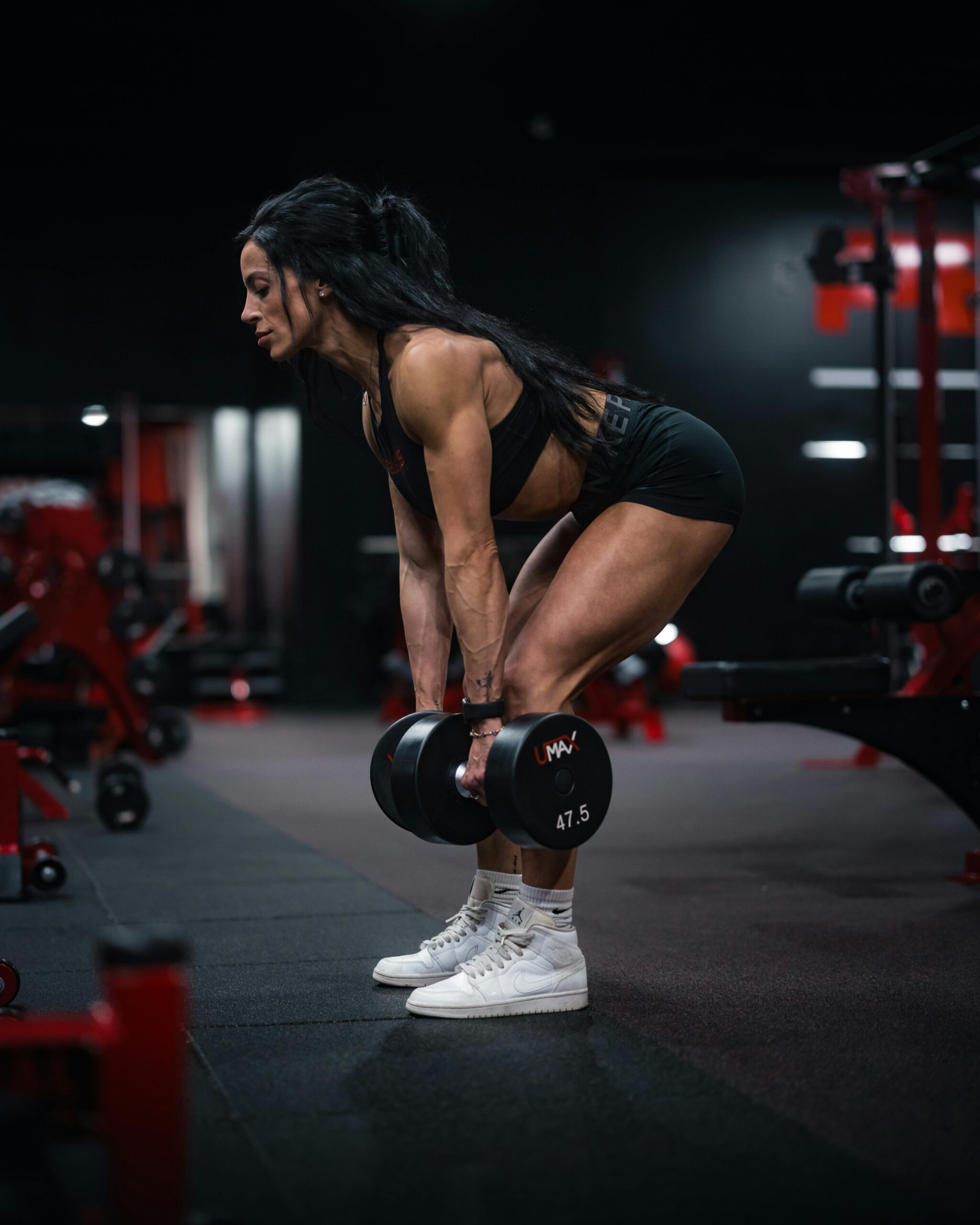
The RDL is a hip-hinge movement, not a squat. The goal is to load your hamstrings and glutes under tension while keeping your back safe and core braced.
Setup:
- Stand with feet hip-width apart.
- Grip a barbell or dumbbells in front of your thighs.
- Keep a soft bend in your knees.
Execution:
- Brace your core – take a deep 360° breath and lock your ribs down.
- Hinge at the hips – push your hips back as if closing a car door.
- Keep the bar close – slide it down your thighs/shins, maintaining a flat back.
- Lower with control – stop when you feel a deep hamstring stretch (often just below the knees or mid-shin).
- Return to standing – drive hips forward, squeeze glutes, stand tall without overextending.
Cues to remember:
- “Chest proud, back flat.”
- “Push hips back, not down.”
- “Bar drags along your legs.”
⚠️ Common Injuries from RDLs
Even though the RDL is safer than a traditional deadlift when done properly, it’s still a lift where form makes or breaks you. Here are the most frequent injuries:
- Lower back strain – usually from rounding or hyperextending at the top.
- Hamstring pulls or tears – from overstretching or bouncing at the bottom.
- Hip joint irritation – caused by hinging incorrectly (bending at spine instead of hips).
- Grip and forearm strain – when the bar pulls faster than your grip can handle.
- Lower abdominal strain – often overlooked but surprisingly common, especially when bracing breaks down or the bar drops too fast.
🔴 Lower Abdominal Strain: A Closer Look
This is the injury that caught me off guard. A lower abdominal strain happens when the core isn’t fully braced, or when speed causes the abs to absorb sudden force.
Why it happens:
- Failing to brace correctly.
- Dropping the bar too quickly and shocking the core.
- Overarching or anterior pelvic tilt at the bottom.
- Using too much weight without trunk stability.
How it feels:
- Sharp pulling sensation in the lower abdomen.
- Pain worsens when hinging, coughing, or sneezing.
- Soreness near the pubic bone or below the navel.
🛡️ How to Prevent Injuries in RDLs
The key to safe and effective RDLs is control, not speed. Here are proven strategies:
1. Master Your Tempo
- Lower slowly: 2–4 seconds down.
- Pause: Briefly at the bottom under hamstring tension.
- Rise controlled: 1–2 seconds up.
👉 Think: slow down, power up.
2. Brace the Core Properly
- Inhale deeply into belly and sides (not just chest).
- Lock ribs over hips—avoid flaring or arching.
- Keep the brace throughout the entire rep.
3. Strengthen Supporting Muscles
- Add anti-extension core work: planks, dead bugs, Pallof press.
- Build hamstring/glute strength with hip thrusts, good mornings, and Nordic curls.
4. Warm-Up Right
- Dynamic prep: glute bridges, bird dogs, and bodyweight hinges.
- Activate core before loading with weight.
5. Progress Gradually
- Start with a dowel or empty bar to nail hinge mechanics.
- Only increase load when form stays locked in.
🚑 If You Do Strain Your Lower Abs
- Rest and ice for acute pain (24–48 hours).
- Gentle mobility like pelvic tilts and cat-cows as pain decreases.
- Rebuild core activation with light bracing drills before loading again.
- Ease back into RDLs with bodyweight or kettlebell versions before returning to heavy barbell work.
💡 Final Takeaway
Romanian Deadlifts are a powerhouse exercise—but they aren’t meant to be rushed. My lower abdominal strain was the result of doing them too quickly, forgetting that this movement is about controlled tension, not momentum.
When done with patience and proper form, RDLs will strengthen your hamstrings, glutes, and core while protecting your spine. Respect the lift, control your tempo, and you’ll reap the rewards without suffering the setbacks.
📌 Key Takeaways
- RDLs are a hip hinge, not a squat—focus on pushing hips back, not bending knees.
- Control the tempo: 2–4 seconds down, pause, then rise with power.
- Core bracing is critical—failure to brace can cause lower abdominal strain.
- The most common injuries are hamstring pulls, low back strain, and abdominal strains.
- Prevention = warm-up + proper tempo + gradual progression.
- RDLs build hamstrings, glutes, and core—but only when done with patience and precision.
